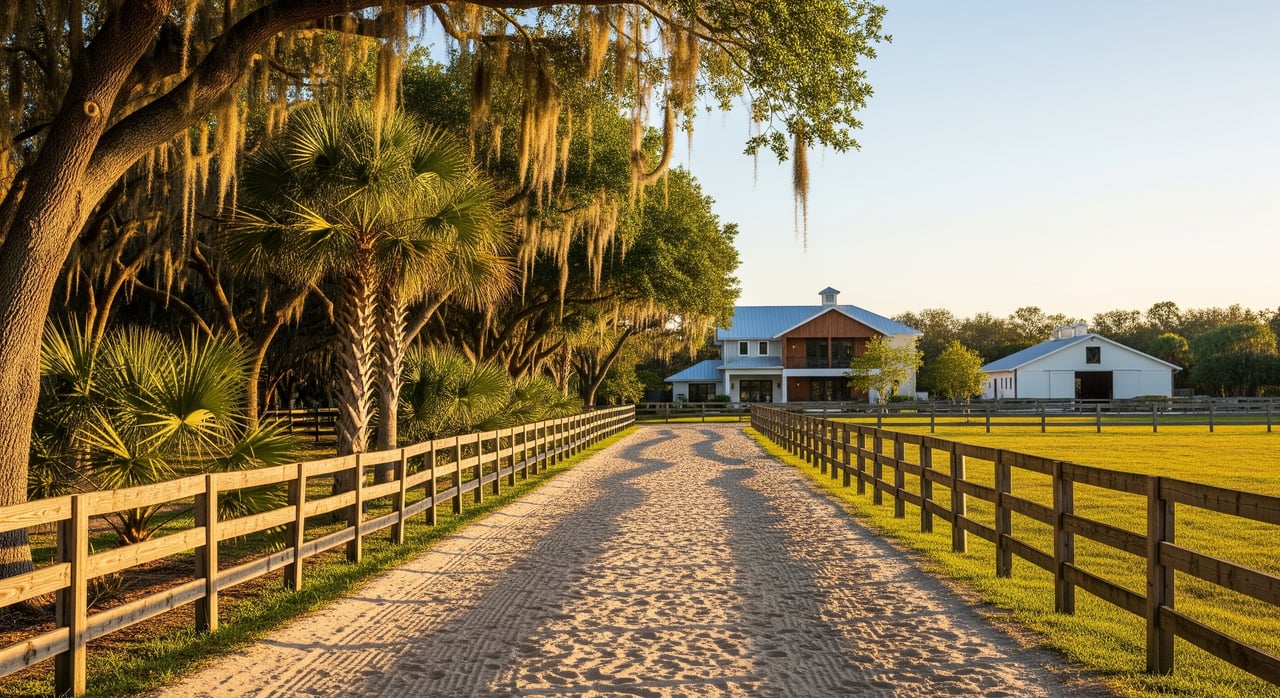
Imagine stepping out your back door, tacking up, and heading out for a peaceful ride beneath big skies and open space. If that sounds like your kind of day, you’ll feel right at home in Southwest Ranches. The town was designed to protect a rural, equestrian lifestyle, and it shows in the acreage, barns, and private trail networks you see around town. In this guide, you’ll find the best nearby places to ride, how to navigate park rules and safety, and what to look for if you’re buying or selling an equestrian property. Let’s dive in.
Why Southwest Ranches draws riders
Southwest Ranches embraces horses and rural living as part of its identity. Many homes sit on larger lots with room for stables, turnout, and arena space. Much of the daily riding happens on private property or within neighborhood trail networks, which keeps the area quiet and serene for riders.
If you’re planning to keep horses on your property, always confirm allowed uses, minimum lot sizes, and any animal or accessory structure rules with the town. Start with the official resources from the Town of Southwest Ranches for code, zoning, and contact details.
Where to ride near Southwest Ranches
While Southwest Ranches is primarily residential and ranch land, you have excellent public riding options a short trailer ride away. Here are two popular Broward County parks that local riders frequent.
Markham Park
Markham Park in Sunrise offers multi-use trails with equestrian access, and it’s a long-time favorite for local trail riders. You’ll find a variety of paths and a relaxed, outdoor setting that suits a steady conditioning ride or a weekend outing. Before you go, verify current equestrian rules, trail maps, parking, and any fees on the Markham Park page. For updates on closures or policy changes across the county system, check Broward County Parks.
Tree Tops Park
Tree Tops Park in Davie is another regional go-to for horseback riding, with scenic multi-use trails that also serve hikers and cyclists. The setting blends shaded routes, open stretches, and water views. As with any public facility, confirm the latest trail access, hours, and equestrian guidelines on the Tree Tops Park page before you haul out.
State and federal lands
If you prefer bigger landscapes, read the rules closely. Federal parks often have strict activity limits, and horseback riding may be restricted or prohibited. Review current guidance for nearby areas like Everglades on the Everglades National Park site before you plan a trip. Some canal banks and levee systems managed by the water district may allow recreation with restrictions. See the South Florida Water Management District recreation pages for permitted uses, seasonal closures, and maps.
Private property and neighborhood paths
A significant portion of riding in Southwest Ranches happens on private land. Many owners maintain arenas and rings for schooling. Some neighborhoods have informal trail easements or connections. Always confirm legal access, respect private property, and follow posted rules within your community.
Know the rules before you trailer out
County park policies
County parks typically require riders to stay on designated trails and may charge entrance or parking fees. Trailer parking is sometimes limited, especially on weekends. Check specific park pages for equestrian maps, hours, and access points. For system-wide updates, refer to Broward County Parks.
Roads and rights-of-way
Riding on public roads is regulated locally and can be hazardous where speed limits are higher or shoulders are narrow. Review town ordinances and ask about any road-use or lead requirements through the Town of Southwest Ranches. When in doubt, trailer to a designated trailhead.
Permits and land manager rules
National and state lands have distinct regulations for horses, trailers, and trail use. Confirm rules and any permit needs with the relevant managers, including the National Park Service and the water management district, before you go.
Trail etiquette and safety in South Florida
Multi-use trails work best when everyone does their part. A few basics go a long way.
- Yield order: hikers yield to horses; cyclists yield to hikers. Riders should maintain control, communicate clearly, and announce passes.
- Visibility: wear high-visibility clothing and use lights in low light. Encourage cyclists to slow and call out well before passing.
- Speed control: keep to a moderate pace on shared trails and slow to a walk near blind corners, trailheads, and bridges.
Wildlife and waterways
South Florida waterways often host alligators. Keep your horse back from marshy edges and avoid water crossings where visibility is poor. For practical safety tips, review FWC guidance on alligators. Snakes and unleashed dogs can also spook horses, so stay alert in tall grass and at busy trail junctions.
Heat, humidity, and insects
Plan rides for early morning or late evening during hotter months. Offer water breaks, watch for heat stress, and cool out properly after you dismount. Mosquitoes and ticks are year-round considerations. Learn prevention basics from the CDC tips for vector-borne diseases and talk with your vet about equine vaccinations and repellents suited to the area.
Hurricanes and flooding
Hurricane season runs June through November. Create an evacuation plan, identify safe trailer routes, and prepare a go-bag with horse ID photos, ownership and vaccination records, halters, feed, and water. The Florida Division of Emergency Management hurricane planning hub is a great starting point. After heavy rains, expect saturated ground and possible trail closures. Check park notices before hauling out.
Buyer and seller checklist for equestrian properties
If you’re considering a move in Southwest Ranches, the right preparation will save time and protect value.
Confirm zoning and permits
- Verify the zoning district and animal allowances for your parcel. Some districts set minimum lot sizes, setbacks, and limits on the number of horses.
- Ask the town about permits for new barns, wash racks, arenas, or storage buildings. Start with the Town of Southwest Ranches to confirm current standards.
- Check drainage and environmental constraints. Wetland buffers and fill may be restricted. Review regional guidelines and maps through SFWMD recreation lands and resources and consult county permitting.
Evaluate key property features
- Fencing: Look for safe, visible, well-maintained fencing of appropriate height and type for horses.
- Barns and shelter: Confirm stall count and size, ventilation, wash areas, and secure feed and tack storage.
- Pasture and drainage: Inspect grass quality, shade, high-and-dry turnout, and evidence of seasonal flooding.
- Water supply: Ensure reliable potable water and consider fire safety access.
- Access and parking: Check driveway width, trailer turnaround space, and hardstanding for rigs and deliveries.
Plan for operating costs
- Feed and hay: Prices and supply can fluctuate in South Florida. Budget for storage and delivery.
- Routine care: Farrier, vaccines, dental, and emergency vet services.
- Property care: Fencing repairs, pasture mowing, fertilization, and pest control.
- Insurance: Confirm homeowners coverage and consider farm or equine liability insurance.
- Improvements: Factor in permits and impact fees for new structures or arena upgrades.
Marketing tips for sellers
- Lead with verified equestrian features: acreage, stall count and size, arena type, wash racks, tack room, turnout, and trailer parking.
- Highlight drainage improvements, quality fencing, shade trees, and access to nearby parks.
- State zoning and animal allowances clearly and provide any surveys or environmental reports that support usability.
- Offer a list of local service providers buyers will appreciate, such as vets, farriers, and feed suppliers.
How to stay connected locally
- Broward County Parks updates: Before every ride, check park pages for rule changes, closures, or special events that affect trailer parking or trail flow. Start at Broward County Parks.
- Town resources: Town bulletins and the planning office can confirm local ordinances and point you to neighborhood-specific guidance via the Town of Southwest Ranches.
- Riding community: Local barns, clubs, and online groups often share informal trail maps, meetups, and vendor recommendations. Statewide groups like the Florida Horse Council provide advocacy and education.
Plan your next ride
Southwest Ranches offers a rare combination of privacy, acreage, and access to miles of nearby trails. With a little planning, you can enjoy safe, low-stress rides at county parks while keeping everyday schooling close to home. If you’re weighing a move, the right guidance on zoning, valuation, and marketing can help you buy or sell with confidence.
If you want a property that truly fits your equestrian lifestyle, or you’re ready to bring a top-tier listing to market, connect with the Tommy Crivello Real Estate Group for local expertise, valuation guidance, and a seamless plan.
FAQs
Where can I ride horses near Southwest Ranches?
- Most public riding is in nearby Broward County parks like Markham Park and Tree Tops Park, while many residents ride on private property or neighborhood paths.
Which Broward County parks allow horseback riding?
- Markham Park in Sunrise and Tree Tops Park in Davie are popular options, but you should confirm current access, maps, and parking on the parks’ pages before visiting.
Can I ride my horse on streets in Southwest Ranches?
- Street riding is regulated locally and can be unsafe on narrow or faster roads, so review town ordinances and consider trailering to designated trailheads.
What wildlife hazards should I expect on local trails?
- Alligators are common near waterways and can be dangerous, so keep horses away from marshy edges and use extra caution at water crossings.
How should I prepare my horses for hurricane season?
- Identify evacuation options, prepare a go-bag with ID and medical records, and review state guidance so you can act quickly during June through November.
What should buyers look for in Southwest Ranches horse properties?
- Focus on zoning compliance, safe fencing, barn quality, pasture drainage, reliable water, and trailer access, then confirm operating costs and insurance needs.