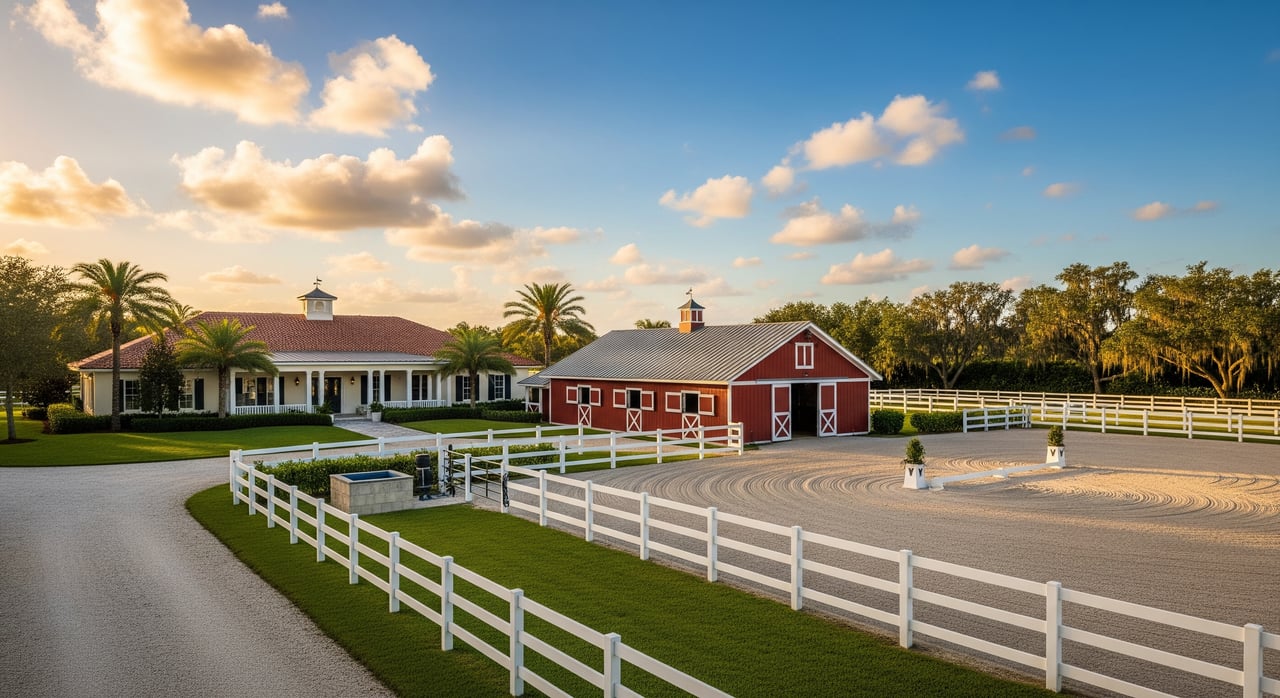
Is that Davie listing truly horse-ready, or just using the word “equestrian” loosely? If you plan to buy or sell a property where horses live and train, the details matter more than the label. You want confidence that zoning allows horses, the land can support them, and the setup fits your goals. In this guide, you will learn the legal, physical, and practical criteria that define an equestrian property in Davie, plus checklists to make your next step simple. Let’s dive in.
What “equestrian” means in Davie
In practical terms, an equestrian property in Davie is a parcel where keeping horses is allowed under local rules and where the land already has, or can reasonably support, core equine infrastructure. That means legal permission, enough usable acreage for turnout or managed dry lots, safe fencing, and a barn or shelter that meets code. It also means sensible access for trailers and services and a plan for water, drainage, and manure. If any one of these pillars is missing, you should pause before calling the property equestrian.
Start with the legal framework
Your first step is to confirm that horses are allowed on the property under current rules. Work through these layers in order.
- Town of Davie zoning and Land Development Code. Identify the zoning district, whether livestock or horses are allowed, any minimum lot size, animal limits, and setbacks for barns and fencing. Ask how Davie treats commercial activities like boarding, training, or lessons, and whether special approvals are needed.
- Deed restrictions and HOA rules. Neighborhood covenants can be stricter than zoning. Some HOAs restrict animals, commercial stables, or fencing materials and heights. Obtain and read the full covenants before you rely on marketing language.
- County and state requirements. Broward County building and environmental rules apply to permits, septic, and stormwater. Florida agencies, including the Department of Agriculture and Consumer Services, handle animal health and may affect commercial operations.
- Private vs commercial use. Personal horse keeping is not the same as running a stable. Commercial uses often require additional permits, parking plans, and environmental controls, so define your intended use early.
Good verification calls include Town of Davie Planning and Zoning, Broward County’s Building Division and Environmental Protection, and the Broward County Property Appraiser for parcel and land use records.
Land and infrastructure essentials
A true equestrian property is more than a big yard. Focus on safe and functional infrastructure that supports horse welfare and everyday operations.
Acreage and turnout capacity
There is no single acreage rule for horses in Florida. Needs vary with pasture quality, management style, and whether you plan to graze or use dry lots with supplemental feed. A common rule of thumb is 1.5 to 3 acres per horse for pasture, but that can change in South Florida’s climate and with year-round grazing pressure. For Florida-specific stocking rates and nutrient concerns, consult University of Florida IFAS Extension guidance.
Barns, stalls, and shelters
Most equestrian properties have a barn with stalls or weather-safe run-in shelters. Permanent structures typically require building permits and must meet setbacks and the building code. If you intend to add a barn or convert an outbuilding, factor in permit time, construction costs, and potential septic or electrical upgrades.
Fencing and gates
Safe horse fencing is non-negotiable. Avoid barbed wire and confirm that height, spacing, and materials are suitable for horses. Many neighborhoods and some zoning districts regulate fence height, materials, and placement. Gate width should accommodate trailers and emergency vehicles.
Water, drainage, and soil
Reliable water for animals, wash areas, and pasture irrigation is a must. Davie includes low-lying and flood-prone areas, so evaluate on-site drainage carefully. Review FEMA flood maps, inspect during both wet and dry seasons, and plan paddock locations to avoid standing water. Drainage affects pasture health, hoof care, and manure storage.
Septic, wells, and utilities
Rural-style properties may rely on septic systems. Adding a barn bathroom or converting structures can require septic permits or upgrades through county health and environmental departments. Confirm electrical service to barns for lighting and ventilation and consider outdoor lighting that respects neighbors and horses.
Access and circulation
Safe access for trailers, hay deliveries, vets, farriers, and emergency services is essential. Narrow drives, weight-limited bridges, or heavy landscape gates can complicate operations. Plan circulation routes that are safe in wet conditions.
Environmental and safety checks
Davie’s landscape demands attention to water and environmental controls. Flood zones and wet soils can limit where barns, paddocks, and manure storage belong. Wetlands or protected areas may reduce usable acreage or require permits for land alteration. Manure management should prevent stormwater contamination and neighbor nuisance. Expect rules on where and how manure is stored or composted and on setbacks from water bodies and canals.
Animal welfare standards apply to all horse keeping. Commercial operations may face additional inspections or conditions tied to animal health and public access.
Private use vs commercial use
It is important to define your intent early. Private use means your horses are kept for personal or recreational purposes. Commercial use includes boarding, training, or lessons that serve the public. In Davie, commercial equine uses often trigger extra reviews, such as conditional use permits, site planning for parking and circulation, and closer environmental scrutiny. If you plan to operate a business on-site, schedule a conversation with Town planning staff before you buy.
Insurance, taxes, and budgeting
Standard homeowner policies often exclude or limit horse-related liability. Many owners use farmowners or ranchowners coverage and consider umbrella liability and equine mortality or equine liability endorsements. If you will board or train for a fee, ask about commercial equine liability coverage.
Some properties may qualify for an agricultural classification that can reduce property taxes when land is used for agriculture. Eligibility is set by the county and requires active agricultural use. Verify requirements with the Broward County Property Appraiser and understand how changes in use can affect tax status.
Plan realistic operating costs. Budget for fencing repair, pasture maintenance, hay and feed, veterinary and farrier services, manure removal, insurance, and any code or lender-required upgrades.
Buyer checklist for Davie equestrian properties
Use this list to confirm the essentials before you commit.
- Zoning confirmation from the Town of Davie, including allowed uses and any animal limits
- Full deed and HOA covenants, with attention to animal and fence rules and any commercial prohibitions
- Current survey or plat showing boundaries, easements, setbacks, drainage features, and any wetlands
- Permit history for barns, arenas, fencing, septic, wells, and electrical work
- Septic inspection and permits if not on sewer, plus water source details
- FEMA flood zone determination and local floodplain checks
- On-site drainage review in both wet and dry seasons
- Pasture condition and usable acreage for turnout or dry-lot alternatives
- Manure management approach and location relative to water bodies and neighbors
- Insurance quotes for your intended use, including commercial endorsements if applicable
- Any code enforcement notices or neighbor complaints related to animal use
- Access and circulation plan for trailers and emergency services
Seller checklist to strengthen your listing
If you are selling a Davie equestrian property, help buyers verify quickly.
- Provide zoning district details and any prior approvals related to horses or equestrian use
- Share recorded covenants or HOA rules and any architectural approvals for barns or fencing
- Assemble permits, as-built plans, and inspection records for barns, arenas, septic, and electrical
- Offer recent flood zone and survey documents and identify any wetlands or drainage easements
- Document manure management practices and pasture maintenance history
- Clarify whether the property has been used for private or commercial equine activity
- Prepare insurance details and any agricultural classification documents
- Outline access routes for trailers and deliveries and any restrictions on gate operations
When a property likely qualifies
You can call a Davie property “equestrian” with confidence when all three of these are true:
- Zoning allows horses and there are no deed or HOA prohibitions
- The parcel has, or can reasonably add with permits, safe horse infrastructure that meets code
- The acreage and layout can support your intended use, with workable drainage and access
If any one of these falls short, the property may still be viable with investment and approvals. Build timelines and costs into your decision.
Common pitfalls to avoid
- Assuming acreage equals usability. Wetlands, easements, and flood areas can reduce functional turnout.
- Overlooking HOA rules. Private covenants can prohibit commercial activity or limit fence types and heights.
- Skipping permit history. Unpermitted barns or conversions can complicate financing and insurance.
- Underestimating drainage. South Florida rain can stress pastures and create hoof and health issues.
- Blurring private and commercial use. The rules and approvals are different, and enforcement can be strict.
How we help in Davie
Buying or selling an equestrian property is a high-stakes decision that benefits from clear due diligence and precise valuation. You want a team that understands acreage, zoning, construction quality, and the equine features that drive price. With deep experience in South Broward’s estate and equestrian market, appraisal-informed pricing, and a coordinated marketing platform, we help you present and evaluate equestrian assets with confidence.
If you are exploring equestrian opportunities in Davie or preparing to sell, we can guide zoning and covenant checks, coordinate inspections, and position your property to reach qualified buyers. Ready to talk strategy or request a private valuation? Connect with the Tommy Crivello Real Estate Group.
FAQs
How do I know if a Davie property allows horses?
- Verify the Town of Davie zoning district and allowed uses, then confirm there are no deed or HOA prohibitions on horses.
How much land do I need per horse in South Florida?
- Needs vary by pasture quality and management; a common rule of thumb is 1.5 to 3 acres per horse for pasture, with supplemental feed or dry-lot options reducing land needs.
Do I need permits to build a barn, arena, or fencing?
- Permanent structures almost always require building permits and must meet setbacks; some fencing may also be regulated, so check local rules before building.
What is the difference between private and commercial equine use?
- Private use is for personal horses; commercial use includes boarding, training, or lessons and typically requires additional approvals, parking plans, and environmental controls.
What environmental issues should I check in Davie?
- Focus on flood zones, drainage, potential wetlands, and manure management practices to protect water quality and avoid nuisance issues.
Will my homeowner insurance cover horse liability?
- Often not fully; many owners add farmowners or ranchowners policies, equine liability, and umbrella coverage, and commercial operations need specialized policies.
Can an equestrian property qualify for agricultural tax benefits?
- Possibly, if it meets Broward County’s agricultural classification requirements for active agricultural use; verify details with the Property Appraiser before you rely on it.