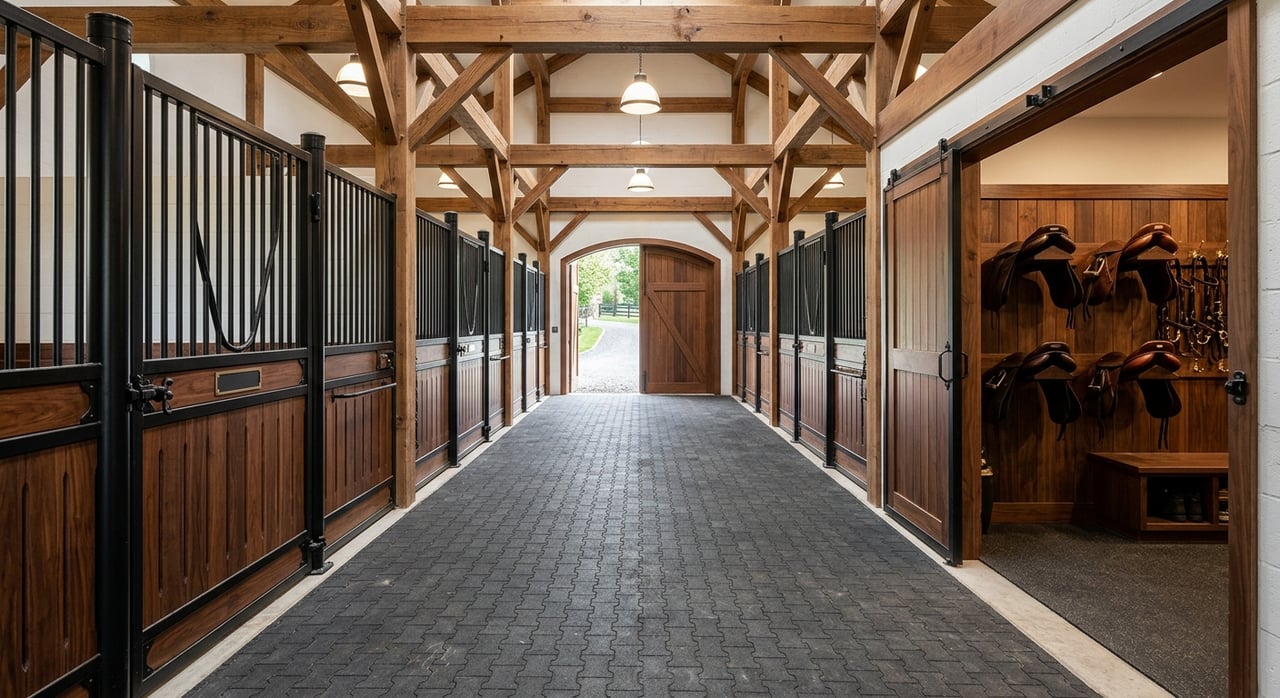
Selling an equestrian estate in Southwest Ranches is not the same as selling a typical home in Broward County. Here, buyers are not just evaluating bedrooms, finishes, and curb appeal. They are also looking at acreage, barn function, permitted use, and whether the land actually supports the way the property has been used. If you want a smoother sale and fewer surprises, it helps to prepare for all of it before your listing goes live. Let’s dive in.
Why Southwest Ranches Sales Are Different
Southwest Ranches has a distinct identity, and that matters when you sell. The town describes itself as a community with many horse ranches, and its land development code is designed to protect its rural, semi-rural, and agrarian character. That means your property is being judged in a framework that is very different from a standard suburban resale.
In practical terms, an equestrian estate is often a mix of home value, land value, and use value. The town code separates ordinary residential use from horse-related and agricultural uses such as horse ranches, boarding, riding instruction, training, breeding, and horseback riding. Because of that, your sale strategy should reflect not only what the house offers, but also what the property is set up and permitted to do.
Lot size and layout also play a major role. In agricultural districts, residential development generally requires at least 2 net acres or 2.5 gross acres, plus at least one dimension of 250 feet. That makes frontage, usable acreage, and parcel shape important value drivers for many Southwest Ranches estates.
Confirm the Property’s Actual Use
Before you list, it is important to define what you are really selling. Is your property a private horse estate for personal use, an agricultural parcel, or a property with a boarding or training component? That distinction affects pricing, marketing, buyer expectations, and due diligence.
Southwest Ranches code states that any use not expressly permitted is prohibited. So if a buyer sees a barn, arena, or boarding setup, they may assume the use is allowed when that may depend on the exact zoning district and approvals. A clear understanding of the property’s legal and practical use helps prevent confusion later.
This is where careful positioning matters. A strong listing should explain the property accurately and avoid overstating what a future owner can do with it. That protects your credibility and helps attract buyers whose goals actually match the property.
Start With Pre-Listing Due Diligence
A clean file before launch can save time once offers start coming in. In Southwest Ranches, permitting is handled through CAP Government, and some permits also require zoning or engineering approvals. The town’s code-compliance department enforces land-use ordinances and can levy fines, so sellers should check for open permits, unapproved structures, and visible code issues early.
This step is especially important on horse properties, where improvements may have been added over time. Barns, outbuildings, fencing, riding spaces, and related site work can become major buyer questions during due diligence. If you can answer those questions up front, you reduce friction and strengthen buyer confidence.
A specialized listing team can add real value here by organizing permit research, reviewing how the site has been used, and separating the home’s value from the horse infrastructure. For a property type this complex, preparation is part of the marketing.
What to Gather Before Listing
A smart pre-listing file may include:
- Permit records and final inspections
- A current survey or aerial overview
- Stall counts and barn layout details
- Pasture or turnout acreage information
- Fencing details and condition notes
- Records that support the property’s actual agricultural or equestrian use
These materials help buyers understand the property faster. They also make it easier for your agent to present the estate in a factual, organized way.
Review Agricultural Classification Carefully
If your property has agricultural classification, you should treat that as a separate due diligence item. Broward County’s Property Appraiser says agricultural classification must be bona fide, commercial, and based on actual use. The office specifically notes that keeping only the owner’s horses for pleasure or sport is not enough, while a horse-boarding application should involve actually boarding other people’s horses.
That means sellers should be careful not to assume the current classification tells the whole story. Buyers may see favorable tax treatment and expect it to continue automatically, but that is not how it works. Broward County also says a new owner must file a new application if they want the classification to continue after closing.
If agricultural status has been part of your ownership picture, your listing team should explain it clearly and factually. The goal is not to promise an outcome. The goal is to show the current use, provide documentation where available, and help buyers understand what they would need to evaluate after purchase.
Price the Estate Beyond the House
One of the biggest mistakes sellers make is pricing an equestrian estate like a standard luxury home. In Southwest Ranches, the buyer is often evaluating the residence, the land, and the horse infrastructure all at once. That is why ordinary neighborhood comparables may not tell the full story.
Pricing should account for usable acreage, parcel dimensions, frontage, barn quality, turnout areas, riding space, access, and the property’s functional setup. Since local code treats horse boarding and other equestrian activities as land uses, the estate’s operating potential and permitted use can influence how buyers view value.
This is where valuation discipline matters. A pricing strategy should be defensible, grounded in the property’s actual features, and realistic about what buyers in this niche are paying for. In a specialized market, precision builds trust.
Market the Barn, Land, and Function
When you market a Southwest Ranches equestrian estate, the house is only part of the story. Buyers also want to know how the property works day to day. If the listing focuses only on interior finishes and overlooks the land and horse facilities, you may miss the buyers most likely to appreciate the asset.
Your marketing should clearly present the features that make the estate function as an equestrian property. Depending on the setup, that may include stall counts, barn configuration, tack and feed storage, pasture condition, turnout, arena or riding space, trailer access, fencing, lighting, water source, and any permitted use that can be documented.
Out-of-market buyers often need more context than local buyers. Southwest Ranches is shaped by its rural and agrarian framework, so a feature sheet or property map can help explain how the estate is laid out and what makes it different. Better education often leads to better showings.
Features Buyers Want to See
The strongest listing presentation often highlights:
- Usable acreage and parcel layout
- Frontage and access points
- Barn quality and stall count
- Tack, feed, and storage areas
- Turnout and pasture condition
- Arena or riding area details
- Trailer circulation and parking
- Fence type, condition, and compliance
- Water access and site lighting
- The difference between private use and broader equestrian use
These details help buyers picture the property as a working asset, not just a residence with a barn.
Qualify Buyers Early
Not every interested buyer is the right buyer for this type of property. Some are looking for a private horse setup, while others expect income-producing or agricultural features. Those are very different goals, and they should be separated early in the process.
Buyer conversations should address how the property is currently used and what the buyer hopes to do with it. If agricultural classification is part of the buyer’s plan, Broward County makes clear that actual use is the guidepost, not just zoning or lot size. Setting that expectation early can prevent disappointment after contract.
This is also where a strong agent protects your time. Better buyer qualification can reduce low-fit showings and keep negotiations focused on people who understand the nature of the asset.
Focus on the Right Inspections
Inspections on an equestrian estate usually go beyond a standard home inspection. If the property has a private well or septic system, those items deserve close attention. Florida Department of Health guidance strongly recommends annual private-well testing for bacteria and nitrate, and Broward County says septic-system maintenance is generally the owner’s responsibility.
Flood review is also important in Broward County. The county says its current flood maps effective July 31, 2024 should be reviewed for insurance and construction purposes. For many buyers, flood-zone questions affect insurance planning, future improvements, and overall comfort with the property.
A well-prepared seller anticipates these issues before they become obstacles. When inspection and site-condition questions are handled proactively, buyers tend to move forward with more confidence.
Prepare for Tax and Disclosure Questions
Many sellers are surprised by how often tax questions come up during an equestrian estate sale. Broward County warns buyers not to assume the seller’s property taxes will stay the same after a change in ownership. Under Florida law, a change in ownership resets the assessed value to full market value, which can increase taxes.
That makes early education important. If a buyer is comparing this property to another estate, they need a realistic understanding of future carrying costs. Clear communication now can help avoid confusion late in the deal.
Florida law also creates specific disclosure checkpoints. A residential seller disclosure summary must be provided at or before contract execution, a flood disclosure must be provided at or before contract execution, and known sanitary sewer lateral defects must also be disclosed. After closing, Broward County Records, Taxes and Treasury records the deed and maintains the official ownership record.
Guide the Sale Through Closing
The closing stage on a Southwest Ranches equestrian estate often has more moving parts than a standard residential transaction. Permit finalization, agricultural-use questions, flood review, water or septic due diligence, tax expectations, and deed-recording coordination can all affect the path to the finish line.
That is why process matters. A well-managed sale keeps the details organized, answers buyer questions with facts, and reduces the chance that a small issue grows into a larger problem. In this niche, smooth closings usually come from strong preparation, not luck.
If you are thinking about selling, the most effective first step is a property-specific review. With the right valuation strategy, due diligence plan, and marketing approach, you can bring your Southwest Ranches equestrian estate to market with more confidence and a clearer path from start to close.
If you want a tailored plan for your acreage, barn, and estate improvements, connect with Tommy Crivello Real Estate Group for a private valuation.
FAQs
What makes a Southwest Ranches equestrian estate different from a typical Broward home sale?
- Southwest Ranches properties are often valued for the home, the land, and the horse-related use together, and local code is designed to preserve the town’s rural and agrarian character.
What should you check before listing a horse property in Southwest Ranches?
- You should review open permits, unapproved structures, code-compliance issues, surveys, fencing, barn details, and records that support the property’s actual use.
What does agricultural classification mean for a Southwest Ranches seller?
- Broward County says agricultural classification must be based on bona fide commercial use and actual use, and a new owner must apply again if they want the classification considered after closing.
What should a Southwest Ranches equestrian listing highlight?
- The listing should clearly present usable acreage, parcel layout, frontage, stall count, barn setup, turnout, pasture condition, riding space, trailer access, fencing, and other features that show how the property functions.
Will property taxes stay the same after a Southwest Ranches estate sale?
- Not necessarily. Broward County warns buyers not to assume the seller’s taxes will continue because a change in ownership can reset the assessed value to full market value under Florida law.
What inspections matter most for a Southwest Ranches horse property?
- In addition to the home itself, buyers often focus on private well testing, septic-system review, flood-zone evaluation, and the condition and compliance of site improvements.
What disclosures are required before contract execution in a Florida residential sale?
- Florida law requires a residential seller disclosure summary and a flood disclosure at or before contract execution, along with disclosure of known sanitary sewer lateral defects.