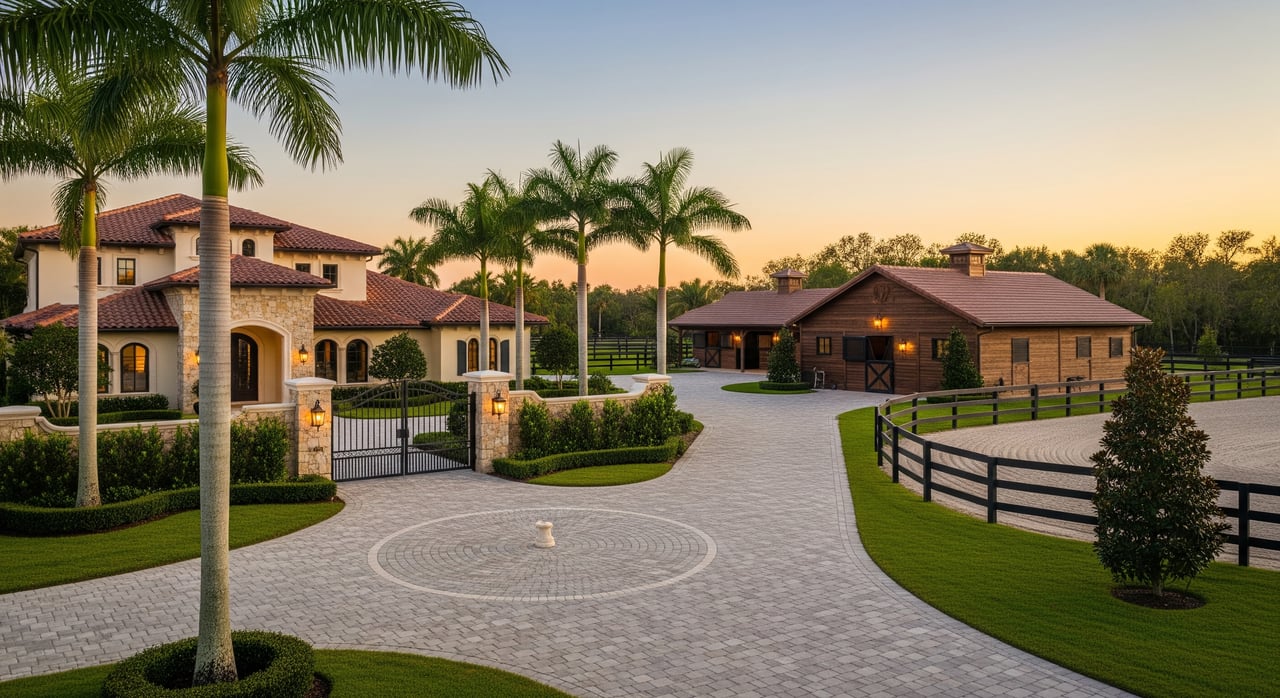
Thinking about selling your Davie equestrian home but not ready to go public? You want a clear, defensible number before you make your next move, and you want it handled with discretion. A private valuation gives you exactly that: a confidential, data-driven estimate of value for your unique horse property. In this guide, you’ll learn what a private valuation is, how equestrian features impact value in Davie, what the process looks like, and how to prepare so you get the most accurate result. Let’s dive in.
What a private valuation is
A private valuation is a confidential estimate of market value prepared for you and not shared publicly. It is often called a comparative market analysis (CMA) or a broker price opinion (BPO) when produced by a real estate professional, and a private appraisal when done by a licensed appraiser.
- CMA or broker valuation: Prepared by a broker or agent using MLS data, local market knowledge, and an in-person review of your property’s condition and features. It is faster and typically free or low cost.
- BPO: A more formal broker estimate sometimes used by lenders or insurers.
- Private appraisal: A paid, formal report prepared by a licensed appraiser following recognized standards. It is more rigorous and suitable when you need a lender-accepted or legally defensible value.
The key difference is privacy versus publicity. A private valuation keeps your plans confidential and does not create a public listing trail. If you later choose to list, you can do so on your timeline with better pricing clarity.
Why Davie equestrian homes need specialized analysis
Davie is known for equestrian living, but not all horse properties are equal. Value depends on land use, features, and operational utility, not just square footage or a bedroom count. Here are the factors that matter most.
Zoning and permits
Local rules shape what you can do with your acreage. In Davie and across Broward County, zoning regulates the number of animals, barn and arena placement, setbacks, fencing, and accessory structures. Permits apply to barns, arenas, stables, fencing, and any major improvements. Parcels can vary, so check Town of Davie Planning and Zoning and Broward County permitting for your property’s specifics.
Land and improvements
For horse properties, usable acreage carries more weight than total acreage. Buyers look for fenced turnout, paddocks, and good drainage. Value drivers include:
- Barn quality and stall count, including foaling stalls, ventilation, wash racks, and utility hookups.
- Arena presence, size, and footing type, such as sand, crushed limestone, or irrigated grass.
- Fencing type and condition, with a premium for safe, visible, well-maintained systems.
- Paddocks, loafing sheds, round pens, cross-fencing, storage for hay and feed, and manure management areas.
- Utilities such as irrigation, wells or municipal water, septic systems, and electrical capacity.
Environment and climate risk
Broward County is low-lying, and some parts of Davie fall within FEMA flood zones. Flood risk influences insurance, financing, and usability of pastures and arenas. Hurricane exposure and wind mitigation features affect premiums and buyer confidence. Drainage and soil conditions also play a role in day-to-day operations and maintenance.
Legal, liability, and insurance
Equine properties bring specific liability exposures. Many owners carry farm or ranch policies or equine liability endorsements. Availability and cost of coverage can affect buyer demand and net operating costs if you run a boarding or training operation.
Market dynamics and buyer pool
The equestrian buyer pool is specialized and values functionality, privacy, and proximity to riding trails, equestrian centers, veterinarians, and feed suppliers. Sales volume for these properties is lower, so comparable sales are fewer and adjustments are larger. Accurate pricing depends on a professional who understands how to match and adjust for specialized features across a wider radius and time frame.
How value is determined for equestrian homes
Professional valuations rely on three core approaches. The right mix depends on your property’s characteristics and whether it generates income.
Sales comparison approach
This is the primary method for most residential equestrian properties. The agent or appraiser analyzes recent sales of similar horse properties and adjusts for differences in acreage, usable pasture, barns and stall count, arena size and footing, fencing quality, condition, and location. In Davie, limited comps mean the analyst may widen the search area or time frame and apply careful, documented adjustments.
Cost approach
When improvements are newer or specialized, the analyst may estimate land value and add the depreciated replacement cost of barns, arenas, and other structures. This helps when your equine improvements are a major part of value. It is less helpful if land contributes most of the value or improvements are older with unclear depreciation.
Income approach
If your property generates income, such as boarding, lessons, or breeding, the valuation may consider capitalizing net operating income. Accurate records are essential. Many small operations keep informal books, which makes this approach harder to apply without support. If you have rent rolls, invoices, and tax returns, bring them to the appointment.
Common challenges
- Few direct comparables and the need for wider searches and larger adjustments.
- Specialized improvements with limited market data for depreciation.
- Differentiating upgrades that add real value from custom features that appeal to a narrow audience.
- Verifying income when records are incomplete.
When to consider a formal appraisal
A private appraisal by a licensed appraiser can be the right choice when you need a lender-accepted or legally defensible report. Situations include:
- Using the property as collateral or obtaining financing.
- Estate planning, divorce, or tax matters.
- Complex or high-value properties where you want a detailed, standardized methodology.
If you are unsure, start with a broker-led valuation. You can always add a formal appraisal after you review the initial findings.
How to prepare for your private valuation
Preparation makes your valuation more accurate and efficient. Use this checklist to get ready.
Documents and records
- Deed and legal description.
- Most recent survey, plus any easements or boundary documentation.
- Recent tax assessments and proof of agricultural classification if applicable.
- Building permits for barns, arenas, fencing, and major work.
- Septic and well records or municipal utility documentation.
- Insurance declarations and any claims history for wind, flood, or liability.
- Maintenance logs for barns, arenas, fencing, irrigation, and drainage.
- Income records if you operate a boarding or rental business, including invoices, rent rolls, tax returns, and client agreements.
- Photos of all improvements, including aerial and driveway approach views.
- HOA or POA documents, if applicable.
Property presentation and access
- Ensure barns, tack rooms, and arenas are well lit and accessible.
- Walk fences, gates, and turnout areas to show condition and layout.
- Map paddocks, manure management areas, and cross-fencing.
- Provide keys or codes for all structures; demonstrate irrigation and water sources.
- If possible, have an owner or manager on site to explain daily operations and any income arrangements.
Questions to ask your analyst
- How will you source and adjust comparables for a specialized Davie property?
- Which valuation approach will you prioritize and why?
- What permits or code issues could influence marketability?
- Who are the typical buyers for properties like mine and what attracts them?
- If we order a private appraisal, what level of detail will the report include?
Privacy and strategy considerations
A private valuation lets you test pricing and plan improvements without signaling the market. It is useful for estate planning, timing a sale, or preparing for a confidential marketing strategy. The trade-off is that you do not get public market feedback until you list. If you want to maintain discretion, you can consider a pocket-style approach with targeted outreach through specialist networks. Understand this reduces exposure and may affect time to find the right buyer.
Timeline and cost expectations
- Broker CMA or valuation: Often ready in a few days depending on access to the property and the availability of meaningful comparables. Many brokers offer this as part of their service to prospective sellers.
- Private appraisal: Typically 1 to 3 weeks depending on complexity and appraiser availability. Costs vary with scope and property complexity. Equestrian properties can require more extensive analysis and may cost more than a standard home appraisal.
Discuss timing and fees at the outset so expectations align with your goals and schedule.
Regulatory, tax, and insurance notes
- Agricultural classification and taxes: Some equestrian properties may qualify for an agricultural classification that can lower taxes. Eligibility is administered by the Broward County Property Appraiser.
- Environmental and health: Septic systems, wells, and manure storage can be subject to county or state rules. Compliance affects marketability and operating costs.
- Flood and wind insurance: FEMA flood zone status and wind mitigation features influence availability and premiums. Buyers often ask for these details early.
- Florida disclosures: Sellers must disclose known material defects. For equestrian homes, that can include septic issues, unpermitted structures, flood damage history, or known encumbrances. For legal questions, consult a Florida-licensed attorney.
Make your next step easy
If you are weighing your options, a confidential valuation gives you clarity without commitment. With equestrian properties, the right pricing strategy depends on zoning, usable acreage, stall and arena quality, drainage, and insurance realities unique to South Broward.
You deserve guidance from a team that understands valuation and the lifestyle you are selling. Request your private, broker-led valuation with the Tommy Crivello Real Estate Group. Our equestrian market focus, valuation expertise, and polished marketing help you make informed decisions with confidence.
FAQs
What is a private valuation for a Davie equestrian home?
- It is a confidential estimate of your property’s current market value prepared by a broker or appraiser, not shared publicly or tied to a listing.
How is a CMA different from an appraisal for horse properties?
- A CMA is broker-produced using MLS data and local knowledge; an appraisal is a formal, paid report by a licensed appraiser that follows standardized methodology.
Which equestrian features add the most value in Davie?
- Usable fenced acreage, barn quality and stall count, arena size and footing, solid fencing, good drainage, and proximity to equestrian services carry the most weight.
How do flood zones affect my equestrian home’s value?
- Flood risk impacts insurance availability and cost, financing, and the usability of paddocks and arenas, which can influence buyer demand and pricing.
Should I order a formal appraisal or start with a broker valuation?
- Start with a broker valuation for speed and insight; order a formal appraisal when you need a lender-accepted or legally defensible report.
What records should I provide if my property generates income?
- Share invoices, rent rolls, client agreements, and tax returns so the analyst can apply the income approach credibly.
How long does a private valuation take in Davie?
- A broker valuation often takes a few days once access is scheduled; a private appraisal typically takes 1 to 3 weeks depending on complexity.