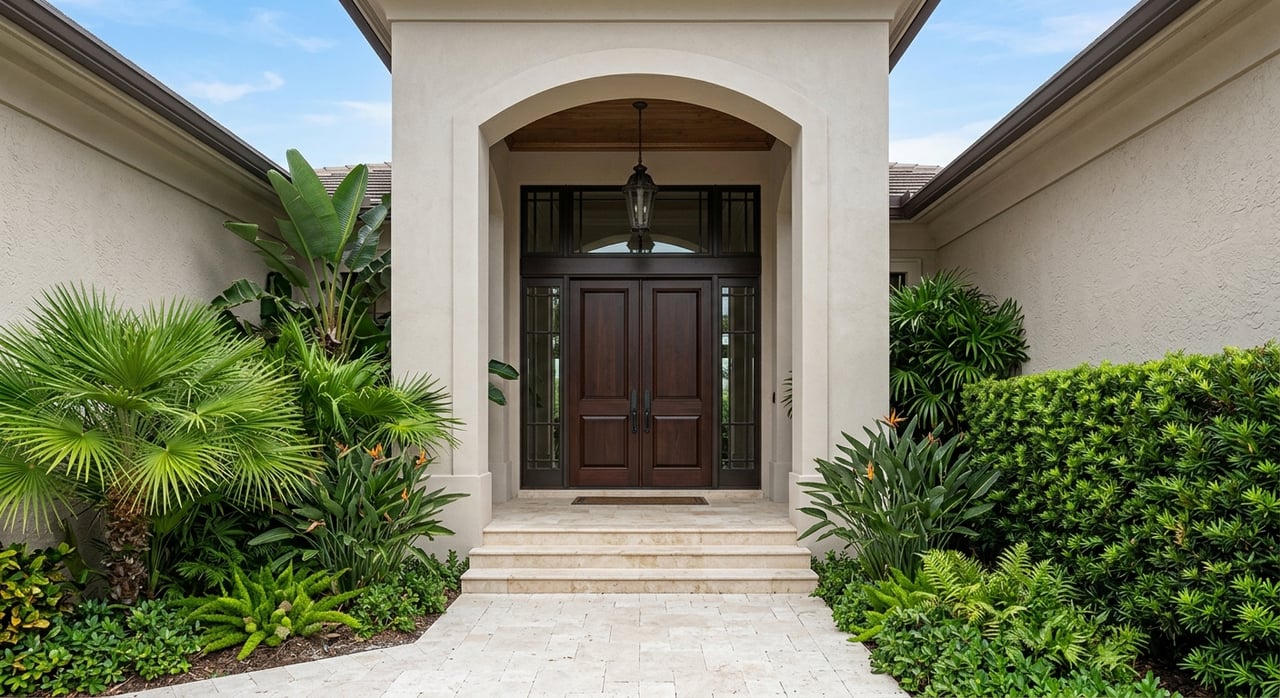
If your Davie estate sits on an acre or more, your appraisal is about much more than square footage and finishes. In this market, land use, permits, accessory structures, and equestrian or agricultural features can all shape value in a meaningful way. The good news is that a little preparation can make your property easier to understand and easier to support. Let’s dive in.
Why Davie appraisals are different
Davie is not a typical suburban market. The Town’s Estate Dwelling, or R-1, district is built around a one-dwelling-unit-per-acre residential pattern and allows many noncommercial agricultural uses as a transition from agricultural land to residential use. That local framework means your land, site layout, and legal use history may carry real weight in a high-end appraisal.
Davie also has a well-known rural and equestrian identity. The Town recognizes agricultural and rural life uses and promotes equestrian trails and farmlife resources. For an acreage estate, this can affect how an appraiser looks at barns, paddocks, riding areas, fencing, and similar improvements.
What an appraiser will focus on
A luxury appraisal in Davie usually starts with the site. Appraisal standards used in mortgage lending call for the appraiser to report actual site size, zoning, and whether the current use is legal conforming, legal nonconforming, illegal, or unzoned. The appraiser also considers shape, topography, access, utilities, adjoining properties, and whether the current improvements still represent the highest and best use of the land.
That means your acreage is not just background. The way the site is configured, improved, and documented can directly affect how clearly the property can be valued.
The land itself
For a Davie acreage estate, lot size alone does not tell the full story. An appraiser may study how usable the land is, how the improvements sit on it, and whether there are easements, ponds, driveways, or access features that matter to marketability. A clean, easy-to-follow picture of the site helps reduce guesswork.
If your property includes fenced areas, paddocks, arenas, sheds, or multiple detached structures, those features should be easy to identify on a survey, site plan, or sketch. The more clearly the appraiser can connect the physical layout to the legal description and zoning context, the better.
The house and improvements
The home itself still matters, of course. Condition and quality are judged on the property itself, not simply in comparison to nearby homes. For custom estates, this is especially important because the appraiser may need broader market support when the home is unusual or highly customized.
Detached garages, guest cottages, barns, pools, generators, arenas, and other outbuildings may contribute to value when they are permanent, legal, typical enough for the market, and supported by sales evidence. If those items are undocumented or legally unclear, they may be harder to credit fully.
Why comparable sales can be tricky
One of the biggest challenges with a high-end Davie estate is finding truly comparable sales. Luxury acreage homes often have fewer close matches than standard homes in tract neighborhoods. That can lead the appraiser to look beyond the immediate area, use older sales, or consider competing-neighborhood properties if those are the most reliable comparisons available.
This is not unusual for custom or unique homes. What matters is whether the comparable sales share similar physical and legal characteristics and whether the appraiser can explain the reasoning clearly. For sellers, that is one more reason to present the property in a way that makes its defining features easy to verify.
Documents that can strengthen your appraisal file
If you want to avoid preventable surprises, documentation is one of your best tools. In Davie, permit and approval history can be especially important for luxury and acreage properties with multiple structures or specialty improvements.
Here are the most helpful items to gather before the appraisal appointment:
- A current survey or plat
- A site plan, aerial, or sketch showing lot lines and improvements
- Permit records and final approvals for additions and detached structures
- A list of major upgrades with dates, contractor information, and receipts when available
- Any paperwork tied to agricultural use or classification
- Basic specs for barns, stalls, arenas, paddocks, fencing, irrigation, drainage, pools, and generators
You do not need to create a complicated binder. A simple, organized package is often enough to help the appraiser understand what exists, when it was added, and whether it appears to be permanent and properly approved.
Permits matter more than many owners expect
Davie requires permits for constructing, enlarging, altering, repairing, moving, demolishing, or changing the occupancy of a building or structure. The Town also maintains a public permit search system. If you have a barn, detached garage, addition, pool, guest cottage, or other major improvement, it helps to have final approvals ready.
This is especially important if the work was completed years ago. Telling the appraiser that something was done long ago is not the same as showing that it was properly permitted and finalized.
Accessory structures need clear legal status
Davie’s code says accessory uses and structures must be subordinate to the principal use and located on the same lot. The code also limits accessory buildings in residential districts and says that, except for a qualifying guest cottage, they generally may not be designed for overnight habitation.
That makes legal status a key issue for detached guest houses, studio spaces, converted outbuildings, and barn apartments. If a structure could be misunderstood as living space, make sure its status is easy to explain and document before the appraisal inspection.
Equestrian and agricultural features need context
In Davie, equestrian and agricultural features are part of the local market language. But they still need to be understood in the right legal and physical context. Zoning rules matter, and so does the way those features are actually used on the property.
Davie allows certain livestock-related uses in specific districts, including R-1, RR, AG, and A-1, subject to applicable rules. The Town’s materials also describe equestrian facilities in terms that may include stables, paddocks, and riding areas. If your property includes these features, be ready to show how they fit the property and its allowed use.
Helpful details may include:
- Number of stalls
- Barn dimensions
- Pasture acreage
- Arena or riding area details
- Fencing layout
- Trail access information
- Agricultural classification paperwork, if applicable
Florida law requires annual classification of land as agricultural or nonagricultural for assessment purposes, and Broward County records may show acreage and certain livestock-related land categories. Those records can help provide context, but they are not a substitute for a full appraisal.
County records help, but do not tell the whole story
Broward County Property Appraiser records can be a useful starting point for verifying acreage, classification, and sales history. They can also help flag discrepancies before an appraiser does. Still, county data is prepared for tax-roll purposes and may not be appropriate for every valuation question.
That is why your own documentation matters so much. If there is a gap between public records and the way your property actually functions, the appraiser will need clear evidence to understand the difference.
How to prepare the property before inspection
Preparation is not only about paperwork. The physical inspection should also be as smooth and complete as possible.
Before the appraiser arrives, try to make every major feature accessible and easy to identify. Unlock gates and outbuildings, clear paths to utility areas, and make sure detached structures can be inspected without delay.
It also helps to separate permanent improvements from temporary items. If something is not permanently affixed or will not remain with the property, identify that clearly so there is less room for confusion.
A practical pre-appraisal checklist
Use this quick checklist to get ready:
- Gather your survey, plat, site plan, or aerial sketch
- Mark key features such as barns, paddocks, arenas, guest houses, pools, sheds, ponds, and fences
- Pull permit history and final approvals for major structures and renovations
- Create a simple improvement list with dates and costs when available
- Organize records for roof, HVAC, kitchen, pool, irrigation, drainage, generator, and exterior updates
- Prepare agricultural or equestrian use details if relevant
- Unlock and open all structures the appraiser needs to see
- Identify any items that are temporary or excluded from the sale
The goal is clarity, not salesmanship
A strong appraisal package should not feel like a marketing pitch. It should make the property easier to verify. In a market like Davie, where estate zoning, agricultural uses, and custom improvements can complicate valuation, clarity is what reduces surprises.
The more plainly you can show what is legal, permanent, and supported by the property’s history, the better positioned you are for a smoother appraisal process. That is especially true when your estate includes acreage, outbuildings, or specialized features that do not fit a standard suburban template.
If you are preparing to sell and want guidance on pricing, presentation, and valuation strategy for a complex acreage property, the team at Tommy Crivello Real Estate Group can help you approach the process with local expertise and appraisal-minded preparation.
FAQs
What makes a Davie acreage estate appraisal different from a standard home appraisal?
- A Davie acreage estate appraisal may place more emphasis on zoning, site size, legal use, permit history, and specialty improvements like barns, paddocks, guest cottages, or other detached structures.
What documents should you gather before a Davie luxury appraisal?
- You should gather a survey or plat, site plan or aerial sketch, permit records, final approvals, a list of upgrades, and any records related to equestrian or agricultural features.
Do permits matter for detached structures on a Davie estate?
- Yes. Permit and approval history can be important for barns, additions, pools, guest cottages, garages, and other outbuildings because legal status can affect how an appraiser views those improvements.
Can equestrian features add value in a Davie appraisal?
- They can, but the appraiser will need to understand whether the features are permanent, legally allowed, and supported by the local market and comparable sales.
Are Broward County property records enough for a Davie estate appraisal?
- No. County records can help verify basic property details, but they are intended for tax-roll purposes and do not replace a full appraisal analysis.
How should you prepare your Davie estate for the appraisal inspection?
- Make the site easy to inspect by unlocking gates and outbuildings, clearing access to key areas, organizing documents, and identifying which improvements are permanent and which items are excluded from the sale.