Two Davie properties can look similar on a map yet sell for very different prices. If you are planning to buy or sell an estate or equestrian home, that gap can be confusing. The good news is there are clear, local factors that move value in predictable ways. In this guide, you will learn how location, usable acreage, equine improvements, zoning, utilities, and taxes shape pricing in Davie so you can make confident decisions. Let’s dive in.
Location drives lifestyle and price
Western Davie and trail access
In Davie, micro-location matters. Western Davie, where you find larger lots, lower density, and direct access to the town’s trail network, often commands a premium. The Town highlights its rural character and open space as defining features, and the public trail system supports everyday riding and a strong equestrian identity. You can explore the town’s rural brand and trail resources on the Town’s overview page and its detailed guide to equestrian trails and rural lifestyle.
Elevation, wetlands, and flood risk
Not all acres are equal. Parcels on higher ground, including areas identified around Pine Island Ridge and Tree Tops Park, often see pricing advantages due to lower flood and insurance exposure. The Town’s comprehensive plan maps wetlands, flood zones, and soils, and notes that projects in mapped wetlands face extra permitting and mitigation requirements, which can limit how you use the land and raise build costs. Review the Town’s Comprehensive Plan Data, Inventory and Analysis when assessing a parcel’s elevation, constraints, and costs.
Zoning and overlays that shape value
Davie maintains special overlay areas to protect rural character and set design expectations. The United Ranches Overlay preserves older Broward zoning and adds procedural protections that can make subdivision or rezoning more difficult, which preserves the scarcity of large-lot estates. The Western Theme guidance influences design choices in designated districts. You can review these rules in the Town’s code hosted on Zoneomics for Davie. These overlays can be an advantage for long-term value, and they can also add steps and time if you are planning changes.
Subdivision potential and design controls
Buyers often ask about splitting a lot or adding structures. In overlay areas, subdivision potential is limited and may require supermajority approvals and public notifications. Design reviews can influence architectural details and site elements. Understanding these limits upfront helps you avoid costly surprises and supports better pricing decisions.
Usable acreage beats raw acreage
Appraisers and serious buyers focus on usable acres, not only gross acres. Usable acreage includes upland pasture, arena pads, a clear homesite, drive access, and space for septic if needed. Wetlands, canals, irregular shapes, easements, and setbacks can reduce what is actually workable for horses or future improvements. A current survey paired with the Town’s Comprehensive Plan analysis gives you the clearest picture of true utility and value.
Barns, arenas, and equine infrastructure
What adds marketability
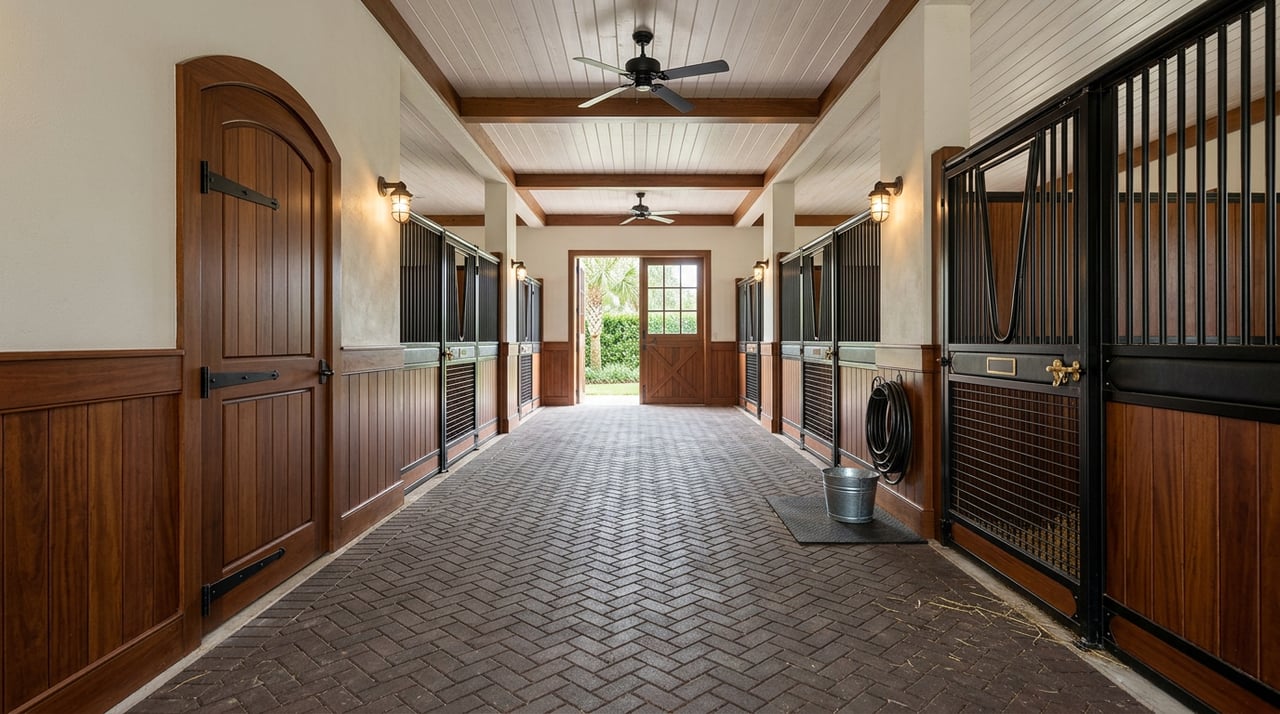
Well-planned equestrian improvements can increase buyer interest and shorten time on market. Features that resonate include a ventilated barn with proper stall sizes and safe electrical, separate tack and hay storage, wash racks with hot water, and clean, secure fencing. All-weather arenas with the right dimensions, quality footing, and good drainage are standouts. Reliable water supply, irrigation, and appropriately sized wastewater systems for equine use are also important.
How appraisers treat improvements
Because specialty features vary widely, appraisers blend methods. They adjust comparable sales for documented features and use recognized cost guides when nearby comps are scarce. References such as Marshall Valuation Service are often used to estimate replacement cost for barns and arenas, with depreciation applied for age and condition. You can learn more about how cost data supports valuation in this industry-standard cost reference overview. Keep in mind that very specialized or commercial-grade facilities may not convert dollar-for-dollar if the local buyer pool is limited.
Utilities, septic, and drainage
Whether a property is on municipal sewer or septic is a meaningful value driver in Davie. Some areas still rely on septic, and the Town notes ongoing efforts to connect unsewered lots. Tying in or upgrading systems for an expanded barn can affect both budgets and timelines. The Town’s infrastructure guidance in the Comprehensive Plan is a helpful reference as you scope costs and due diligence.
Environmental permits and timelines
If a project touches jurisdictional wetlands or alters drainage, expect review by the appropriate agencies and potential mitigation. The Town’s comprehensive plan specifies that federal, state, and county permits apply to work impacting wetlands. Factor the cost, documentation, and timeframes into your purchase plan or listing strategy. Confirming status early helps you avoid delays that can affect price and negotiation leverage.
Demand signals for Davie estates
Davie’s equestrian culture is part of its draw, supported by public trails, rodeo grounds, and community events. This lifestyle orientation attracts buyers who value a riding network and rural feel as much as the acreage itself. At the same time, the broader U.S. horse industry is large, and Florida ranks among the most active states, which supports in-state demand for equine facilities and services. For context on industry scale, see the American Horse Council’s economic impact study.
Market activity in Davie can shift month to month, with changes in median prices and days on market that influence leverage for both buyers and sellers. If you are pricing or preparing an offer on a specialized property, layer big-picture demand drivers with the latest local snapshot to set a realistic strategy.
Taxes and agricultural classification
In Broward County, horses are treated as livestock for agricultural classification if the land is used primarily for bona fide commercial agriculture, such as boarding, breeding, or training. A successful classification changes assessed value and can reduce the property tax burden, which affects cash flow and resale appeal. The Broward County Property Appraiser explains eligibility, required documentation, and filing timelines on its agricultural classification page. If you operate commercially, gather proof of use before listing or during due diligence.
Buyer and seller playbooks
If you are selling
- Document everything. Provide permits for barns and arenas, recent maintenance records, surveys, and any mitigation or drainage approvals.
- Clarify utilities. State whether the property is on municipal water and sewer or well and septic, and share septic capacity documentation.
- Showcase functionality. List stall counts, arena dimensions and footing, paddock acreage, fencing type and age, and any irrigation.
- Anticipate questions. Prepare elevation certificates, flood zone details, and any jurisdictional notes related to wetlands or overlays.
If you are buying
- Verify usable acreage. Order a current survey and compare it to the Town’s wetlands and flood maps to confirm buildable and pasture areas.
- Inspect specialty systems. Engage equine-savvy inspectors to assess barn safety, arena drainage and footing, and fencing integrity.
- Confirm utilities and capacity. Check septic size, municipal connection options, and water availability for your intended use.
- Review overlays and permits. Understand any overlay rules, design reviews, or mitigation requirements that could affect your plans.
Quick valuation checklist
Use this to prep a pricing strategy or due diligence memo:
- Legal lot size plus survey showing upland versus wetland buffers and any easements. See the Town’s Comprehensive Plan mapping resources.
- Flood zone status, elevation certificates, and insurance considerations.
- Zoning district and overlay status, including United Ranches and Western Theme rules. Review the Town code and overlays.
- Full equine improvement inventory: stalls and barn specs, arena dimensions and footing, fencing type and year, paddock acreage, wash racks, hay and tack storage.
- Utilities summary: municipal water and sewer versus well and septic, permitted septic capacity, and power service.
- Permits and inspections: building permits, septic reports, and any federal or state wetland or water management permits.
The bottom line
In Davie, value follows lifestyle and function. Parcels with prime micro-location, real usable acres, dialed-in equine infrastructure, and clean entitlement and utility stories tend to command better pricing and faster results. If you want a defensible valuation and a plan that fits your goals, connect with a local team that lives this niche daily. Ready to talk strategy for your property or search? Reach out to the Tommy Crivello Real Estate Group to Request a Private Valuation.
FAQs
What is “usable acreage” on a Davie horse property?
- Usable acres are the upland portions you can put to work, such as paddocks, an arena pad, a homesite, and access, while excluding wetlands, canals, easements, and setback-constrained areas noted in the Town’s comprehensive plan.
How do Davie overlays like United Ranches affect resale value?
- Overlays can limit subdivision and require added review, which preserves rural character and the scarcity of large lots. That protection can support long-term value but may add time and steps if you plan changes.
Do horses qualify a Davie property for agricultural tax classification?
- Yes, in Broward County horses are treated as livestock if the land is used primarily for bona fide commercial agriculture such as boarding or training. Approved classification can reduce taxes and improve after-tax value.
Which equine improvements add the most value in Davie?
- Market-standard features such as safe, well-ventilated barns, all-weather arenas with quality footing and drainage, secure fencing, and adequate water and wastewater capacity typically drive interest and pricing.
Is municipal sewer better than septic for an equestrian property?
- It depends on location and plans. Sewer can simplify expansion and reduce maintenance, while septic may require capacity verification or upgrades. The Town notes some areas still rely on septic, so confirm status early.