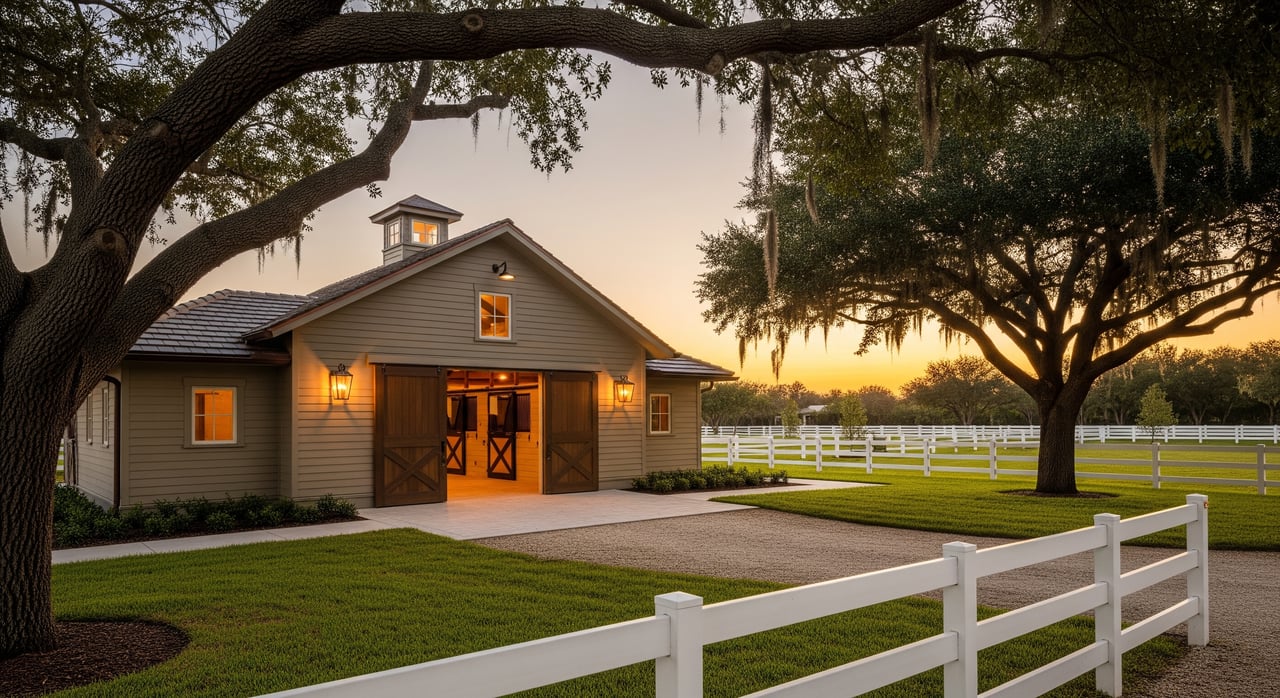
Is your Southwest Ranches lifestyle better served by boarding your horse or building a private barn at home? It is a big decision with daily-life, budget, and resale implications. You want what is best for your horses and your time, while also protecting property value. In this guide, you will get a clear comparison, local due diligence steps, and the Broward resources that matter. Let’s dive in.
Start with local rules
Before you weigh lifestyle factors, confirm what is legal on a specific parcel.
- Zoning and permitted use: Verify whether horses and stables are allowed and if accessory structures need special approval. Start with the Town of Southwest Ranches planning and building pages on the Town of Southwest Ranches website and ask for parcel-level guidance in writing.
- Animal limits and setbacks: Some areas limit animals per acre and require minimum distances for barns, paddocks, and manure storage. Ask staff to confirm current standards for your lot.
- Permits and inspections: Barn construction, electrical, arenas, and sometimes fencing require permits and inspections through the town or county.
- Septic and water: Added stalls or wash racks can trigger septic capacity checks. Broward County departments can guide you on onsite sewage and water. Start at the Broward County portal.
- Floodplains and wetlands: Confirm FEMA flood zone status because it affects design and insurance. Check the FEMA Flood Map Service Center.
- HOA and deed covenants: Private restrictions can be stricter than zoning. Always review recorded covenants and get copies from the seller.
- Commercial vs private use: Boarding others’ horses can trigger business licensing, parking and traffic rules, signage limits, and different inspections.
Boarding: who it fits
Boarding at a professional facility can simplify your life.
- Pros
- Daily care is outsourced, which reduces your time commitment.
- Facilities often offer trainers, arenas, and a social riding community.
- Security, emergency coverage, and service networks are often in place.
- Cons
- Ongoing monthly fees and potential add-ons increase overall cost.
- Less control over feed, turnout, and schedules.
- Travel time and trailer logistics can add friction.
Private barn: who it fits
Keeping horses at home offers control and convenience if you are ready for the workload.
- Pros
- Full control over feed, turnout, and care.
- On-site access for riding and emergencies with no hauling.
- Works well for specialized programs such as retirees, young horses, or breeding.
- Cons
- Upfront investment for barns, fencing, arenas, and possibly septic or water upgrades.
- Daily labor and ongoing maintenance, including manure management and pest control.
- Insurance exposure and potential neighbor concerns require careful planning.
Cost and time factors
Think in categories rather than trying to predict a single number.
- Boarding costs: Base board, training and lessons, vet and farrier visits, supplements, transportation, and occasional show or clinic fees.
- Private barn costs: Construction or renovations, fencing, arena construction and drainage, utilities, hay and feed delivery, bedding, manure removal, equipment, repairs, and labor.
- Time: Boarding reduces daily chores. Private barns require a reliable plan for feeding, turnout, stall cleaning, maintenance, and coverage when you travel.
Property and site checklist
If you lean toward a private barn, assess the parcel and improvements with care.
- Lot size and layout: Larger lots make paddock rotation and neighbor buffers easier. Plan for trailer access and safe circulation.
- Barn and arena: Evaluate structural soundness, electrical safety, ventilation, roof condition, drainage, stall size, aisle width, and fire access. In South Florida, arena base and drainage are critical for rideability.
- Fencing: Consider safety, visibility, and maintenance across options like board, vinyl, pipe, or electric.
- Water and wastewater: Confirm reliable water supply and pressure. Added usage can push septic capacity.
- Manure management: Identify storage location, pickup frequency, and buffers from canals or wetlands. Ask about county guidance on composting or hauling.
- Drainage and flood risk: Verify FEMA flood zone, walk the property after heavy rain, and ask about past water events.
- Health and safety: Plan for isolation space, non-toxic materials, and safe fuel storage. The University of Florida IFAS Extension offers Florida-specific barn and manure guidance.
Insurance and liability
Horse ownership and boarding others’ horses bring different coverage needs.
- Homeowner’s policies often limit or exclude business activities and some animal-related incidents. Confirm how your policy treats horses on residential property.
- Farm or equine liability insurance is common for owners with valuable animals or on-site operations.
- If you plan to board for a fee, expect commercial general and stable liability needs. Written contracts help, but do not replace insurance.
- Discuss your plans with an equine-savvy agent before closing and get coverage details in writing. For broad animal health context, see the Florida Department of Agriculture and Consumer Services and veterinary best practices from the American Association of Equine Practitioners.
Local services and logistics
Your support network matters in daily operations and in emergencies.
- Vets and farriers: Confirm service availability and typical response times for South Broward. Private barns need dependable scheduling.
- Hay and feed: South Florida often relies on out-of-region hay. Ask about supplier reliability, delivery schedules, and storage.
- Manure removal: Set up regular pickup or a compliant composting plan.
- Trainers and riding groups: Boarding centers often bundle access to instruction and community. Private barns require you to build your own team.
Resale and marketability
Your exit strategy should inform your decision today.
- Buyer pool: Equestrian properties serve a niche market. Well-designed barns and arenas attract riders, but can narrow appeal for non-riding buyers.
- Quality and permits: Professionally built and permitted improvements support value. Unpermitted or poorly sited structures can impede a sale and require fixes.
- Disclosures: Be ready to share septic details, flood history, drainage work, permits, and any prior boarding income or business use.
- Valuation: Use comparable sales of equestrian properties in Southwest Ranches and surrounding Broward communities to understand the uplift from equine amenities.
Step-by-step due diligence
Follow a methodical process whether you plan to board or build.
- Confirm parcel rules: Contact the Town of Southwest Ranches planning or building departments via the Town website. Ask about horses as a permitted use, animal limits per acre, and setbacks for barns, arenas, and manure storage. Request written confirmation.
- Check county layers: Coordinate with Broward for environmental and health items starting at the Broward County portal. Confirm any septic or well requirements and environmental constraints.
- Verify flood status: Use the FEMA Flood Map Service Center and discuss elevation and drainage with your inspector and insurer.
- Inspect improvements: Order professional assessments of barns, fencing, electrical, roof condition, and arena drainage.
- Review records: Collect building permits, HOA or deed restrictions, and any past business-use approvals from the seller.
- Plan operations: Price out hay, feed, bedding, manure pickup, and utilities. If building, consult Florida-focused facility guidance from UF IFAS Extension.
- Confirm insurance: Align homeowner’s, farm liability, and any commercial coverage with your planned use.
How we can help
Choosing between boarding and a private barn is as much about lifestyle as it is about zoning, drainage, and defensible value. Our team focuses on South Broward estate and equestrian properties, with appraisal and construction experience that helps you price improvements correctly, avoid red flags, and negotiate with confidence. Whether you are buying acreage with room for a stable or preparing to sell a property with equine amenities, we bring local relationships and a proven marketing platform to reach qualified buyers.
If you want a clear path forward, connect with the Tommy Crivello Real Estate Group for guidance tailored to your goals in Southwest Ranches.
FAQs
What zoning allows horses in Southwest Ranches?
- Start with the Town’s planning and building pages on the Town of Southwest Ranches website to verify whether horses are permitted on a specific parcel, along with any animal-per-acre limits and structure setbacks.
How does flood risk affect a private barn in Broward?
- Flood zones can shape barn placement, arena base design, and insurance. Confirm your flood zone on the FEMA Flood Map Service Center and ask inspectors about drainage performance after heavy rain.
What permits are typically needed for a home barn?
- Barn construction, electrical, arenas, and sometimes fencing require permits and inspections. Contact the Town first, then coordinate with Broward agencies via the Broward County portal for environmental and health requirements.
What insurance should I consider if I keep horses at home?
- Review homeowner’s policy limits and ask about farm or equine liability coverage. If you board others’ horses, expect commercial stable liability needs. Confirm details with an equine-savvy agent in writing.
Do equestrian improvements increase resale value in Southwest Ranches?
- Quality, permitted barns, good fencing, and well-drained arenas can enhance appeal for riding buyers, while non-permitted or poorly sited structures can hurt marketability and negotiation.