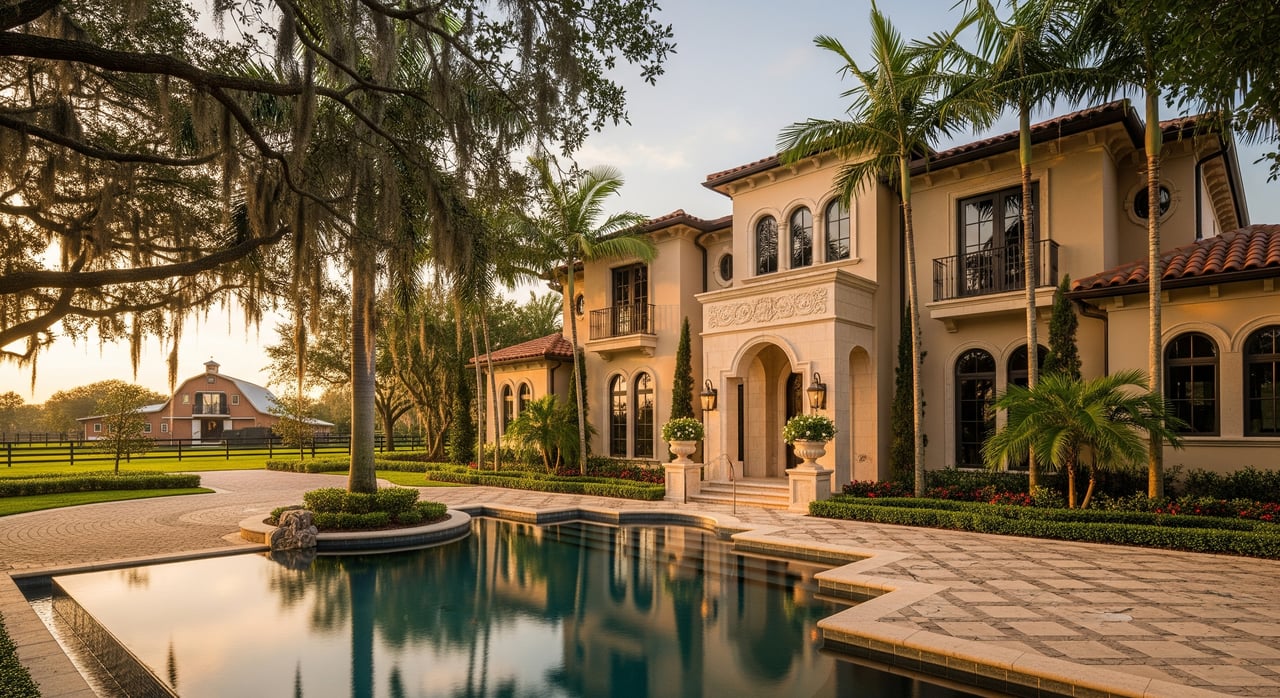
Trying to pick the perfect month to list your Davie estate home can feel like a high‑stakes decision. You want strong buyer interest, a smooth sale, and a price that reflects the value of your acreage and amenities. In this guide, you’ll learn how seasonality in Davie and the Greater Fort Lauderdale area works, what timing fits your goals, and how to prepare an estate or equestrian property for a top‑tier launch. Let’s dive in.
Why timing matters in Davie
Davie sits within a South Florida market that runs on a clear seasonal rhythm shaped by winter visitors, family calendars, and weather. Buyer demand typically peaks in the winter and early spring as seasonal and out‑of‑state buyers arrive. Families often shop in spring so they can move during summer break. Hurricane season can influence showing activity and logistics, which affects how you plan inspections and closings.
For estate and equestrian properties, the buyer pool is more specialized. That can mean longer marketing timelines and the need to align your launch with high‑traffic months while keeping year‑round outreach in place.
Peak season: January to April
Winter and early spring are historically the strongest months for buyer activity in South Florida. In Davie and the Fort Lauderdale–Pompano Beach–Deerfield Beach area, you benefit from seasonal residents and out‑of‑state visitors who are active and on the ground. Listing early in this window can maximize exposure for large‑acreage and equestrian homes, which often require more time and touchpoints to convert interest into offers.
Who you reach in peak months
- Seasonal and remote buyers who plan showings during short winter visits.
- Out‑of‑state buyers seeking second homes or relocating for lifestyle and climate.
- Local families preparing for a summer move, especially in late winter and spring.
When you launch in January to April, focus on standout presentation. Professional photos, drone footage, and a high‑quality video tour matter. Aerials and site plans help buyers understand acreage, paddocks, and facilities from a distance.
Alternatives if speed or niche reach is the goal
Not every seller is optimizing purely for price. If your top priority is speed or standing out with less competition, other seasons can work.
Late summer and fall can cut through noise
Buyer traffic often slows from August to October, but inventory can also be lighter. If the property is priced correctly and marketed aggressively, you may capture motivated buyers who are still in the market while competing against fewer listings.
Align with the school calendar
If your likely buyer is a local family, list in late winter or early spring. That timing lets them close in late spring or early summer and move during summer break. Your showing plan should support weekend viewings and clear timelines to keep the path to closing on track.
Target seasonal and remote buyers
If your buyer is likely to fly in, winter months are ideal. Make it easy for them to experience the property quickly with flexible showing windows, polished video tours, and accurate site details that speed up decision‑making when time is tight.
Estate and equestrian specifics that affect timing
Large‑acre and equestrian properties have unique needs that influence the best listing window and how long to market.
Expect longer timelines and broader marketing
Specialized properties tend to stay on the market longer than standard homes. Plan for a multi‑month campaign that blends local and out‑of‑market outreach. Use regional broker networks, equestrian channels, and luxury syndication so qualified buyers can find you.
Show the property at its best
Your land and facilities should look their best at launch. Winter and spring often provide lush landscaping, which photographs well. Ensure paddocks are manicured, barn and arena footing are tuned, outbuildings are clean, and storm‑readiness is clear if you list during hurricane season.
Support buyer logistics
Out‑of‑state buyers need flexible showings and robust virtual assets. Provide a complete features package that covers acreage, fencing type, water and irrigation systems, septic or sewer details, easements, and any HOA or municipal restrictions. Remove guesswork by documenting maintenance records, surveys, and permits.
Timing tactics and a prep checklist
Choose a target window, then launch only when the property is fully ready. For many Davie estates, mid‑January to early March is a strong aim. Use this checklist to prepare:
- Property readiness
- Complete repairs and refresh paint where needed.
- Deep clean barns and storage buildings; tidy utility areas.
- Groom paddocks, hedges, and entry ways; update mulch and lighting.
- Ensure arena surfaces and trails are show‑ready.
- Documentation
- Assemble a detailed features list covering land, utilities, and improvements.
- Gather surveys, maintenance logs, and any architectural or site plans.
- Prepare HOA documents and clarify restrictions or easements.
- Marketing assets
- Commission professional photography and drone footage.
- Produce a polished video tour and floor or site plans.
- Prepare a property brochure that speaks to lifestyle and logistics.
- Pricing and strategy
- Align list price with current comps and adjust for acreage and equestrian features.
- Set a launch calendar with open houses or broker tours aligned to peak traffic.
- Build in flexibility for private showings and weekend appointments.
Watch local signals before you list
Before you finalize timing, review current market indicators for Broward and Davie:
- Months of inventory for single‑family and luxury or acreage segments.
- Median days on market for comparable estate listings.
- Recent sale‑to‑list price ratios in Davie and Greater Fort Lauderdale.
- Mortgage rate trends and buyer affordability.
- Local news that could influence demand, such as employer moves or policy changes.
These signals help you fine‑tune pricing and launch date so your listing enters the market with momentum.
Plan for hurricane season
Hurricane season runs from June 1 to November 30. You can still sell during this period, but you should prepare for weather‑related disruptions. Build realistic inspection and closing timelines, and consider earlier closings if practical. Communicate clearly about insurance, storm preparations, and property features that support resilience. Well‑documented readiness can reassure buyers and keep deals moving.
When to list based on your goal
- Maximize sale price
- List in the seasonal high‑traffic window of January to April. Launch early to capture the full wave of winter and spring buyers.
- Sell faster with less competition
- Consider late summer or fall with an assertive price strategy and a strong marketing push.
- Reach family buyers timing a summer move
- List in late winter or early spring so shoppers can close by early summer.
- Target out‑of‑state and seasonal buyers
- Focus on winter months. Offer flexible showings and best‑in‑class virtual tours.
How a specialized Davie team helps
Estate and equestrian sales require more than standard marketing. You benefit from valuation expertise that accounts for land, improvements, and use, plus a coordinated campaign that reaches qualified buyers locally and out of state. A team with appraisal and construction experience can strengthen pricing defensibility, anticipate due diligence questions, and manage complex timelines.
If you want to maximize your result, pair smart timing with disciplined preparation. The right plan helps you capture peak demand while showing your property at its best.
Ready to talk timing, pricing, and a tailored launch plan for your acreage or equestrian property in Davie or greater South Broward? Connect with the Tommy Crivello Real Estate Group to Request a Private Valuation.
FAQs
What month is best to list a Davie estate home?
- Davie and broader South Florida often see the strongest buyer activity from January to April. Listing early in that window increases exposure to seasonal and out‑of‑state buyers, but final results still depend on inventory, pricing, and marketing quality.
Is hurricane season a bad time to sell in Davie?
- It can slow showings and complicate inspections and closings. With clear contingency planning and sharp pricing, you can still stand out, especially when competition is lighter in parts of the fall.
How long do estate or equestrian homes take to sell?
- These properties often take longer than standard single‑family homes. Expect a timeline that can run several weeks to several months, supported by targeted marketing and strong presentation.
How should I time my sale around the school calendar?
- If you want to reach family buyers, list in late winter or early spring so they can move during summer break. If you aim for out‑of‑state or seasonal buyers, a winter listing is often better.
What matters more: pricing or timing?
- Both matter. Good timing amplifies visibility, but accurate pricing and high‑quality marketing are what convert demand into strong offers in any season.